Have you ever wondered where these attractive designs on apparel come from? Well, of course, they come from an artist’s mind or maybe from an introverted one. But how are they printed without them fading away in 2 machine washes? The answer is that they are stored on the computer in computerized formats. This is called embroidery digitizing. It is a process by which designers and garment manufacturers print attractive pieces of garments.
Find out what it is, how, and why it is important to digitize a design before it is printed onto a piece of fabric. Moreover, to get appealing designs with perfect precision, get in touch with Impact Digitizing and discover the difference a properly digitized file makes to your finished embroidery.
What Is Embroidery Digitizing?
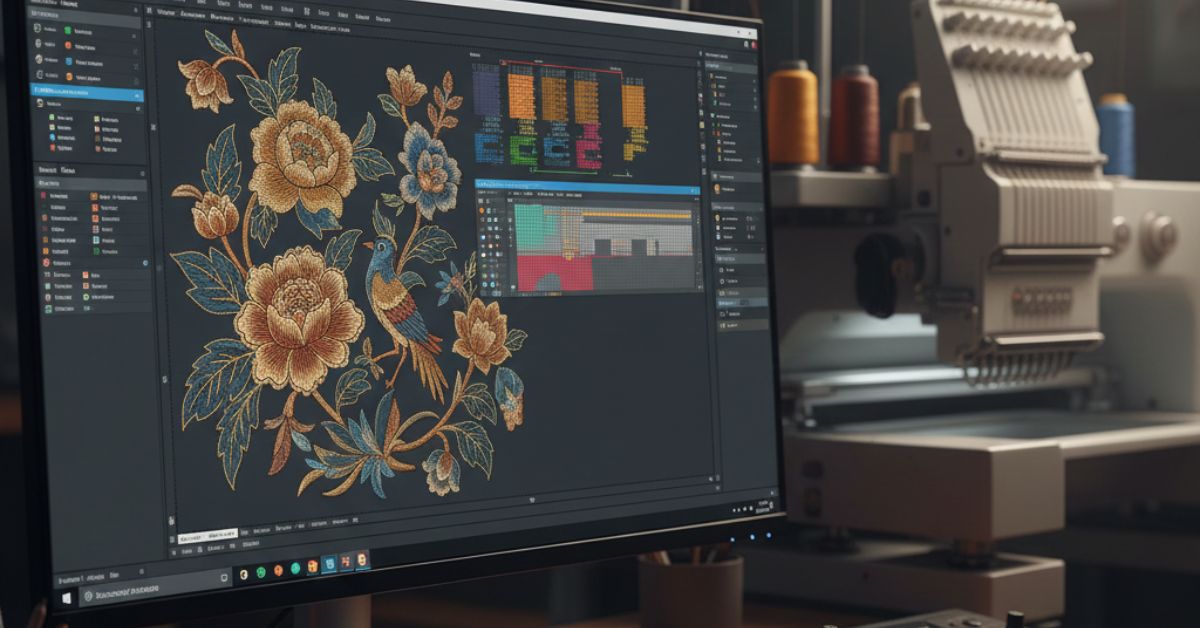
It is a process by which a design, such as a piece of artwork or a logo, is converted into a digital format to be stored on the computer. This is done so that it is readable by the embroidery machine. This is how the design is stitched onto the fabric.
This process is necessary because it contains the necessary instructions, such as:
- Stitch type
- Density
- Direction
- Color
Without these instructions, the embroidery machine is just a machine.
Embroidery Digitizing Process
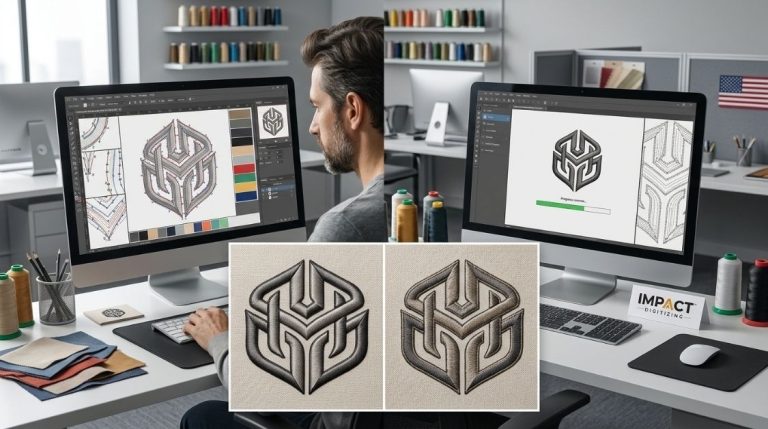
Embroidery digitizing converts the artwork into a stitch file by using specialized software to trace the design into the embroidery machine. This file defines the stitch type, density, and directions of the embroidery design.
The following are the steps in embroidery digitizing.
- Prepare the artwork
- Feed it into a software to define the necessary instructions, such as stitch type, and settings like size and color
- Preview the design
- Transfer the stitch file to the embroidery machine
Let’s explore these steps separately.
1. Prepare The Artwork
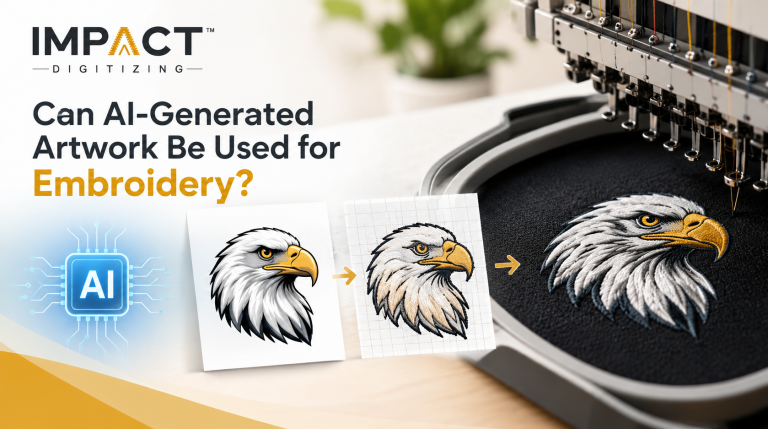
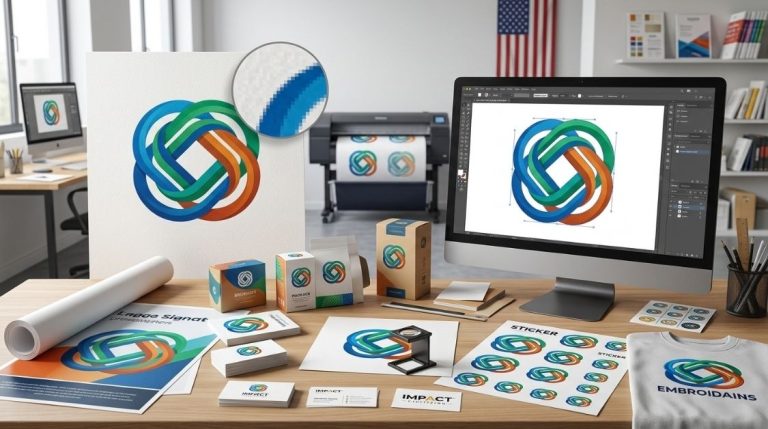
Create the design that you want to print in digital format like a PNG or JPEG file. The time it takes to digitize a design is dependent on the details and complexity of it.
2. Transfer To A Specialized Software
The design is then transferred to digitizing software and converted into a “stitch” file. There are various tools in the software for customization of the design, such as changing the density, adding more colors, and changing the pattern to be stitched.
3. Select A Stitch Type
There are three types of stitching styles which are full, running, and satin stitch. The different textures and effects are achieved through these stitch types.
4. File Conversion
After the design is digitized, it is converted into a specific format for the embroidery machine.DST,.EXP, or.PES. All the instructions defined in the earlier processes, which are the stitch type, density, and colors, are stored in these file formats. The embroidery machine follows these instructions.
5. The Embroidery
The embroidery machine does its work depending on the instructions that are fed into it in the stitch file. The process can take time based on the complexity of the design, which could be a few minutes or several hours.
Benefits Of Embroidery Digitizing
Embroidery digitizing has brought a huge change in the textile industry. It has given a boost to creativity that manual designing could not offer. This is why it has become an important part of textile printing.
Let’s explore how embroidery digitizing makes textile printing easier.
Precision
You can print complex and delicate designs with precision. The digital file stores the important data and instructions that the embroidery machine imprints on the fabric with high accuracy, with not even a little bit of misplacement of the design.
Customization
Embroidery digitizing makes it easy to create custom designs. You can have any artwork, whether a logo, a greeting, or promotions of your choice, embroidered onto the fabric. It fills the gap between design and the execution of it technologically. It is a linking point between delicate and complex art and digital printing.
Consistency
Delicate designs can be replicated without losing any data from the stitch file. Multiple items can be embroidered with one digital design. Embroidery digitizing keeps the design consistent across all items.
High-Quality Designs
The designs created digitally are high-quality since all the instructions are stored in digital formats. Manual embroidery is sometimes inaccurate and lacks the quality that embroidery digitizing offers.
Speed
Manual embroidery is time-consuming, with large or complex designs to be embroidered manually. Digitized embroidery makes it possible to embroider large or tiny, or delicate and complex designs to be embroidered on a large scale of fabrics within a short period of time.
Common Mistakes to Avoid in Embroidery
Even with good software, digitizing isn’t foolproof. Wrong stitch density, skipped underlay, or ignoring how a fabric stretches are some of the most common reasons a design ends up puckered, gappy, or full of thread breaks once it hits the machine. Our common digitizing mistakes guide walks through these issues and how to avoid each one.
How Much Does It Cost, and How Long Does It Take?
Pricing mainly comes down to stitch count, design complexity, and the number of colors involved. Our embroidery digitizing pricing guide breaks down what affects the cost of a typical order. Turnaround time depends on the same factors: simple logos are usually digitized within a day, while large or highly detailed designs take longer. Our guide on how long embroidery digitizing takes lays out realistic timelines for different types of designs.
Conclusion
Embroidery digitizing offers large-scale production of embroidered fabric in a short time. It is possible through specialized software that converts the digital design into a stitch file, which is then transferred to an embroidery machine to begin the work.
The process involves the following steps.
- Create the design
- Transfer it to digitizing software to define the necessary settings.
- Analyse the design
- Transfer the stitch file to the embroidery machine
- Start the embroidery
There is an exceptional embroidery digitizing service available at Impact Digitizing, where you can have your custom designs digitized into compelling and appealing images.
FAQs
What is embroidery digitizing?
It is the process of converting a piece of artwork or a logo into a computerized format. It is then transferred into an embroidery machine to be embroidered onto a piece of fabric.
What factors do I need to consider when looking for an embroidery digitizing service?
Their portfolio, the quality of the embroidery, the produce, experience, and their customer service. The service providers with strong expertise have a fine portfolio.
In which file format do I need to submit my design for embroidery digitizing?
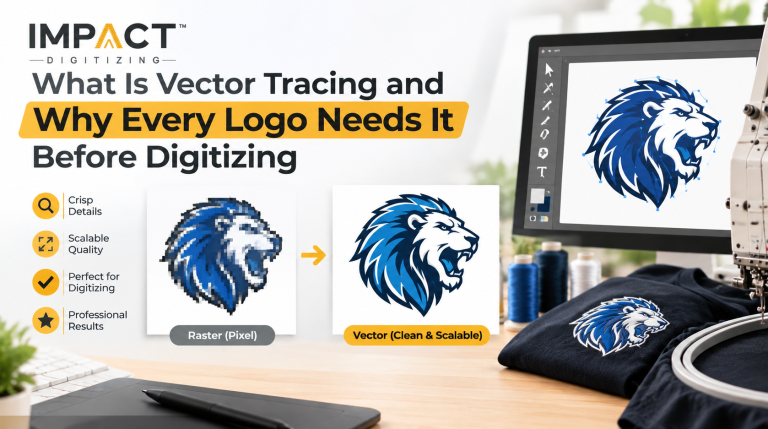
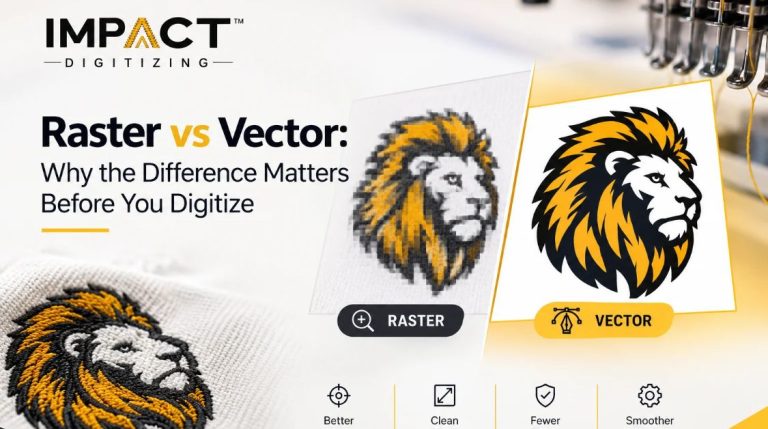
Most service providers accept file formats such as PNG and JPEG in high resolution. For better results, vector file formats such as EPS or AI are effective. However, some digitizers can work with raster files.
How is digitized embroidery transferred to the embroidery machine?
The digitized design is converted into a stitch file. Then this file is then transferred to the embroidery machine.
Can a PNG file be used for embroidery?
No, the PNG file needs to be first converted into PES format for the embroidery machine to read.