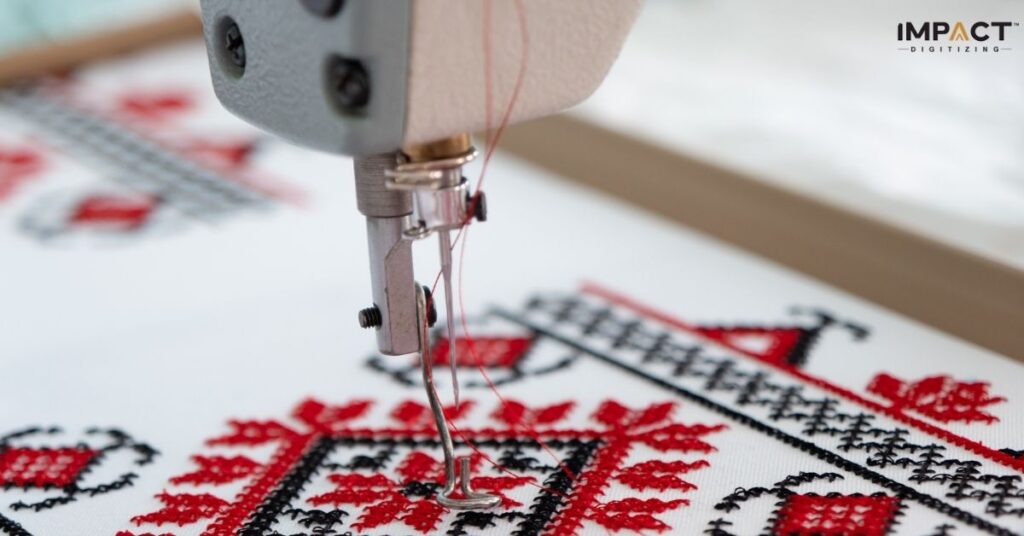
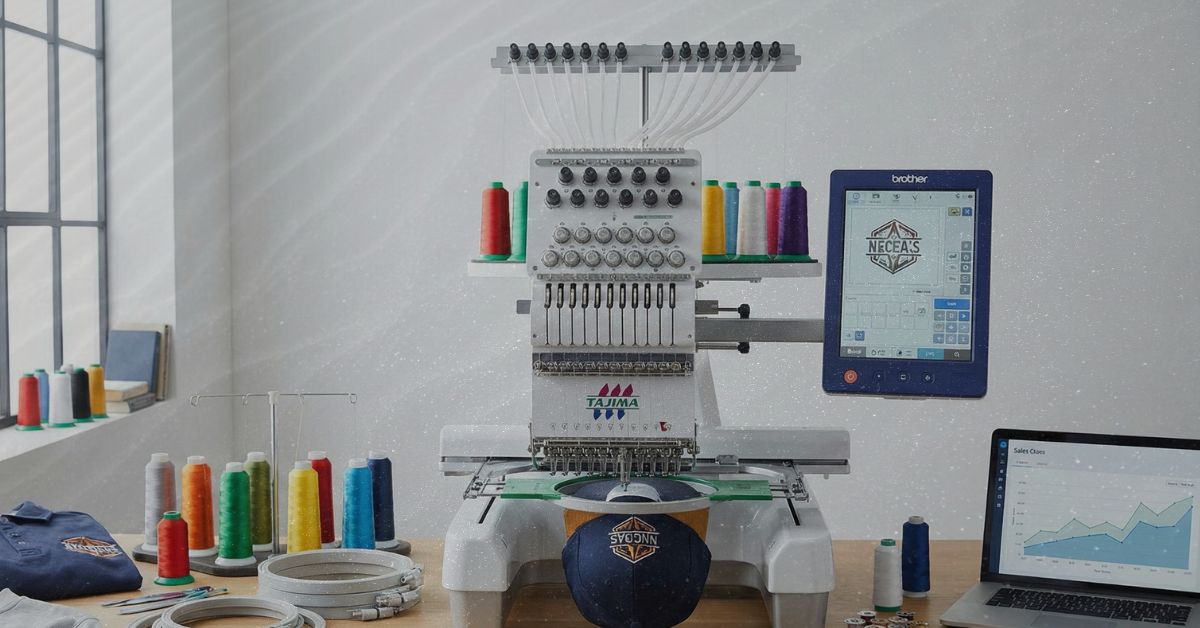
Starting your own embroidery business is exciting, but choosing the right commercial embroidery machine can feel tricky at first. The machine you pick affects how quickly and smoothly you can work and how polished your designs turn out. Understanding what to look for before making a decision can save you a lot of time, money, and stress as your business grows.
To make things easier, Impact Digitizing, a trusted name in embroidery digitizing and embroidery services, recommends focusing on your long-term goals and production needs before investing.
Think About Your Business Needs
The first thing to consider is what kind of work you plan to do. If you are a beginner or running a home setup, then opting for an embroidery machine that is designed for a small-scale setup will do wonders. They are easier to use, more affordable, and perfect for small orders like custom t-shirts, caps, or logos.
On the other hand, if you expect large orders or want to expand quickly, you should opt for commercial embroidery machines that can handle multiple garments simultaneously. Knowing your needs will help you decide between machines.
Choosing Between Single-Head and Multi-Head Machines
Single-head machines are perfect for small businesses or custom orders because they stitch one item at a time. Multi-head machines can handle several items at once, making them ideal for high-volume production, but they cost more and need extra space.
For most beginners, starting with a single-head machine is the best option. You can always upgrade to a multi-head machine later as your business and orders grow.
Speed and Efficiency
Commercial embroidery machines can stitch anywhere from 800 to 1500 stitches per minute. Whereas embroidery machines for small businesses need a comparatively smaller machine.
Faster machines mean more productivity, but make sure speed doesn’t affect stitch precision.
Embroidery Area
Different machines offer different stitching sizes. A larger embroidery area is useful for bigger or more detailed designs, while smaller machines work well for simpler or smaller designs. Choosing the right commercial embroidery machine for your projects will make your work much easier.
Built-In Designs and Software
Many embroidery machines for small businesses come with built-in designs, which is super convenient when you are starting. Later, you may want to add your own custom designs, so check if the machine supports common file formats like DST or PES. User-friendly software helps you resize, edit, and preview designs before stitching, saving both time and materials.
Durability and Maintenance
Investing in a good embroidery machine is like investing in your business. Look for a reliable and long-lasting brand. Reading reviews about durability and maintenance can save you from machines that constantly break down, which slows down production and wastes money.
Support and Training
Some top-rated commercial embroidery machines come with tutorials, online support, or training programs. If you are new, reading user manuals and adhering to tutorials will make learning faster and less stressful.
Budget and Brands
Don’t just pick the cheapest machine. Compare different commercial embroidery machines from well-known brands like Brother, Janome, Ricoma, and Tajima. Brother is beginner-friendly, Ricoma is great for industrial production, and Janome balances cost and performance. Think about long-term plans because spending a bit more now can save money later.
Space and Versatility
If you work from home, space is important. Small embroidery machines are perfect for home setups. They fit neatly on a desk and still deliver professional-quality results. Some machines also come with extra hoops and attachments for items like hats, sleeves, or bags, making your machine more versatile and letting you take on different types of orders.
Conclusion
Choosing the right embroidery machine might feel overwhelming, but once you know your business needs, space, budget, and support options, it becomes much easier. Start small with an embroidery machine for a small business, and as your business grows, move to top-rated commercial embroidery machines for higher productivity.
FAQs
1. Can I start a commercial embroidery business with a single-head machine?
Yes. A single-head embroidery machine for a small business is perfect for beginners. You can start with small custom orders and move to multi-head machines as your business grows.
2. How much space do I need for a multi-head commercial embroidery machine?
Multi-head commercial embroidery machines are larger and need dedicated space. You’ll need enough room to move around, set up multiple hoops, and store materials safely, so planning your workspace before buying is very important.
3. Can I use any software to upload my custom designs?
Not all software works with every machine. Most embroidery machines support common file types like DST, PES, and EXP. Always check compatibility before purchasing to avoid issues with custom designs.
4. How much maintenance does a commercial embroidery machine require?
Regular maintenance is important. You’ll need to clean the machine, oil moving parts, and check tension and needles. Top-rated commercial embroidery machines often come with manuals or tutorials to make maintenance easier.
5. Are commercial embroidery machines noisy?
Noise levels vary. Single-head machines are usually quieter, while multi-head machines can be louder due to multiple needles working at once. It’s a good idea to test or check reviews if you’ll be working in a home setup.
6. Can I switch between fabrics easily on the same machine?
Yes, but it depends on the machine. Some commercial embroidery machines automatically adjust thread tension and needle depth, which makes it easier to work on different fabrics without manual adjustments.