At Impact Digitizing, we believe it is necessary to know printing techniques in addition to being skilled at digital artwork, including machine embroidery digitizing. Serigraphy is a term that is frequently confused when it comes to art and printing. This blog will assist you in understanding what serigraph print is, how it is built, and how it differs from other techniques of printmaking, whether you are a beginner at printmaking or want to understand how to make copies of artwork.
Serigraph Definition: What Does Serigraph Mean?
A serigraph is a form of art print produced byserigraphy. The definition of serigraph comes from the Greek and Latin words that mean to write or draw, and silk, respectively, further adding to the serigraph definition.
Serigraphy is an art form and not just screen printing because every color is printed by hand. That’s why, even when prints are part of a series, each color will have its own slight differences. This makes the serigraphy definition even better as an art form.
What Is Serigraphy and How Does It Work?
Let’s take a closer look to offer you to learn what serigraphy is and how it is utilized to build cool prints. Understanding what serigraphy is is very significant for those who are new to printmaking.
- Artwork Preparation: The artwork is split into numerous colors.
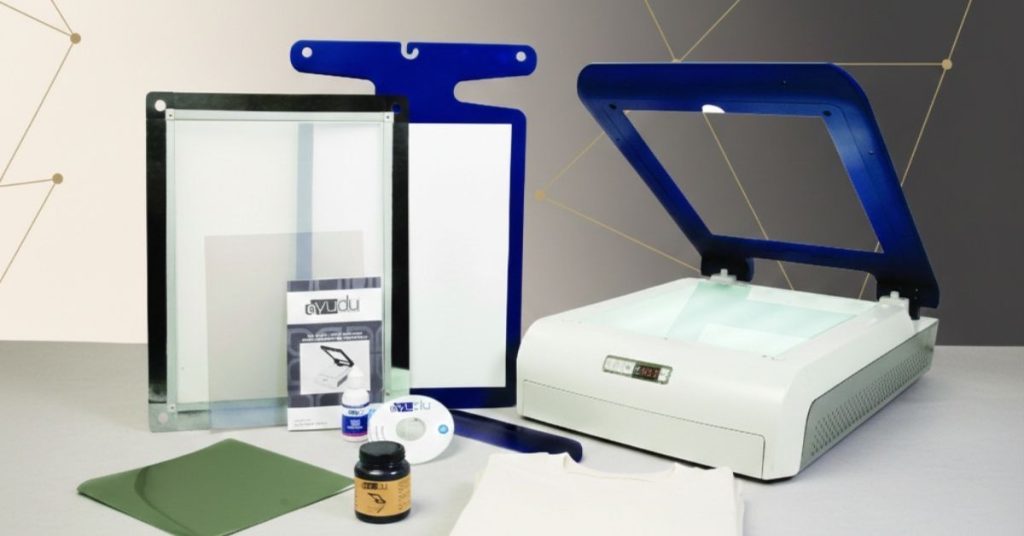
- Screen Preparation: A mesh screen is made for each layer of colour.
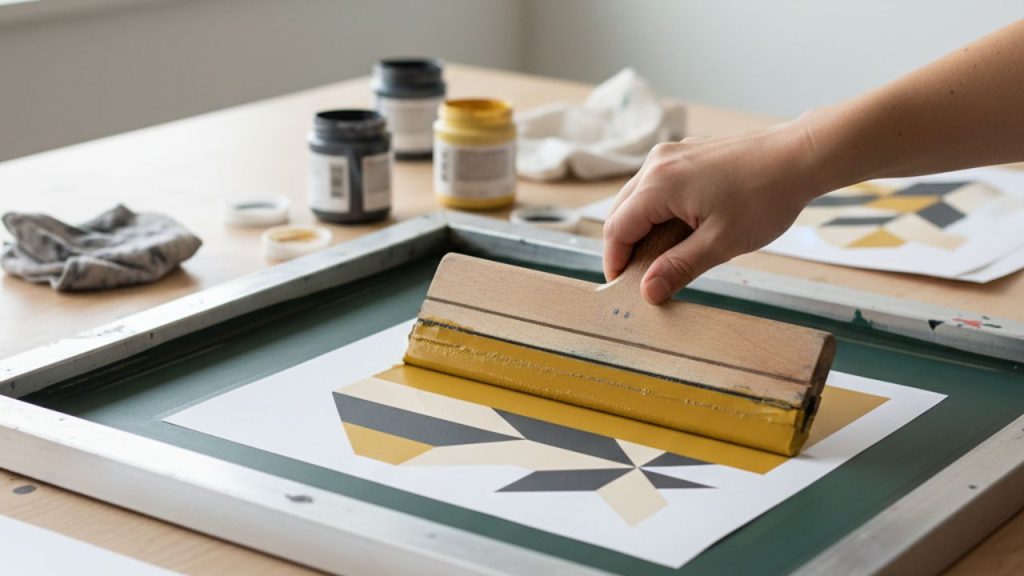
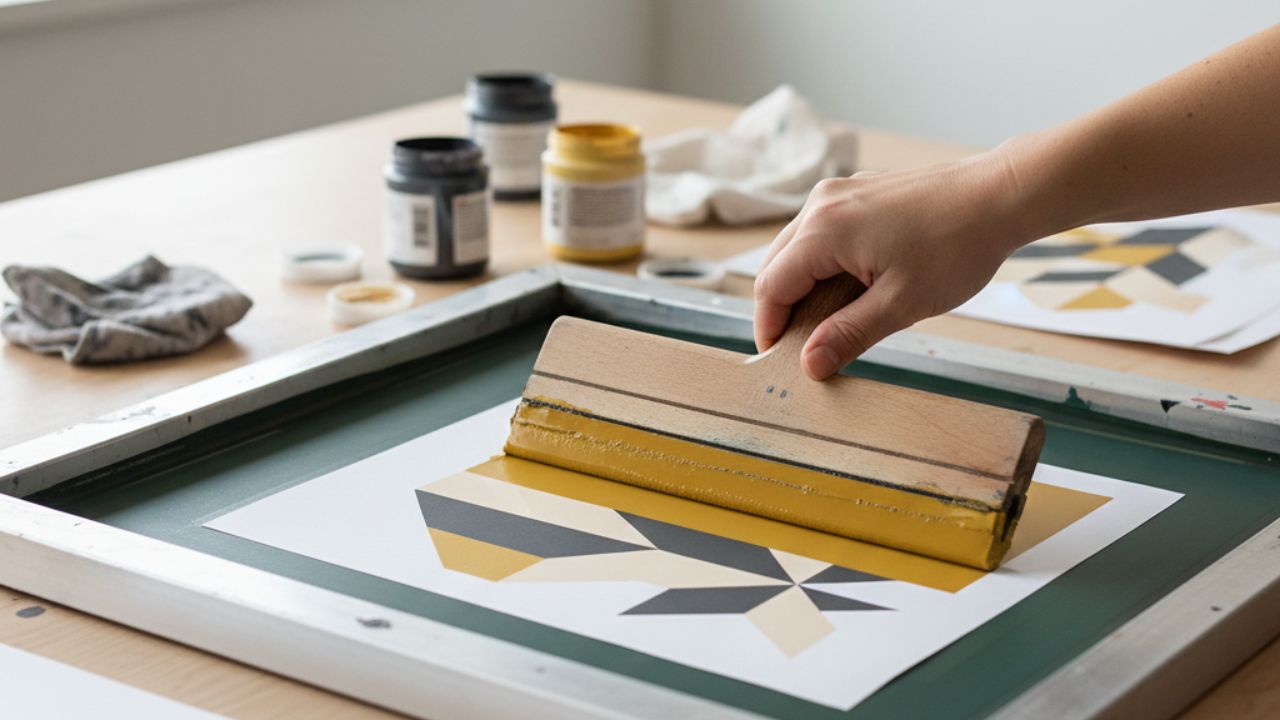
- Ink Application: A squeegee is a device utilized to apply the ink through the screen.
- Layer-by-Layer Printing: Every colour is used layer by layer and allowed to dry.
- Final Inspection: The artwork is checked, numbered, and sometimes signed by the artist.
As each color needs its own screen, a serigraph can consist of dozens or even hundreds of individual print layers, which further explains what serigraphy is in practice.
Serigraphy vs. Modern Printing Methods (DTF, DTG & Screen Printing)
Although serigraphy is a conventional fine art printing technique, modern printing technology is commonly utilized in the production of clothing.
1. DTF Printing (Direct to Film)
DTF printing involves the use of heat to transfer designs from a printed film to fabric. This technique produces rich colors with high washfastness and is reasonable for cotton, polyester, and mixes, best for custom apparel printing.
2. DTG Printing (Direct to Garment)
DTG printing prints ink directly onto fabric using specialized inkjet technology. It is best suited for complex, full-color designs and photographic details, offering a softer feel compared to thicker ink methods like serigraphy.
3. Commercial Screen Printing
While serigraphy is a fine art printing technique, commercial screen printing for clothing is intended for mass production. It provides constant results, cost efficiency, and long-lasting prints for bulk orders.
Why Serigraph Prints Are Valued
Many new artists wonder if serigraphs are “true art.” The answer is yes. Serigraphs are considered helpful in the fine art world because they take talent, creativity, and time.
Key reasons serigraph prints are valuable include:
- Limited editions, often signed and numbered.
- Rich, opaque colors are not easily achieved with digital printing.
- Textured surfaces due to thick ink layers.
- Direct involvement of the artist in production.
Serigraphy has been employed in the works of renowned artists such as Roy Lichtenstein and Andy Warhol.
Serigraph vs. Lithograph: What’s the Difference?
Among the most popular sources of confusion for new art collectors is the lithography definition vs serigraphy. These two are actually “prints,” but they employ totally different physics.
- Lithography (Chemical-based): This technique is based on the fact that oil and water don’t mix. The artist will sketch utilizing a greasy crayon on a flat stone or metal plate. The method provides that the ink sticks only to the oily parts of the sketch. This approach aligns with the traditional lithography definition. This creates a flat image with minute details that look like pencil sketches.
- Serigraphy (Stencil-based): Screens and stencils are employed in this printing technique. To ensure that the ink is thick on the paper, it is pushed through a screen. This produces a print with a bumpy, raised appearance and colors that are brighter than lithographs.
Common Misconceptions Beginners Have
One major content gap competitors often miss is confusion between serigraphy and mass printing. A serigraph is not the same as a poster or digital reproduction. Each print requires manual labor, quality checks, and artistic expression.
Another thing that is frequently overlooked: serigraphy is not limited to fine art. It is also utilized in textile design, branding, and specialty printing. It is a great and timeless process.
Is a Serigraph Print Right for You?
If you are an artist, art collector, or business owner, serigraphy is a great way to merge accessible art with unique designs. You can own the uniqueness of a handcrafted art piece without breaking the bank, which can be the cost of a unique painting.
Conclusion
You can now admire the artistic element of serigraphy, now that you understand what a serigraph print is, how it is made, and how serigraphy differs from lithography based on the lithography definition. Serigraphy is still practiced today due to the blending of creative skills with expertise.
At Impact Digitizing, we blend traditional creative skills with advanced digital technology to ensure that ideas are smoothly translated from thoughts to finished products.
FAQs
1. What is a serigraph print?
A fine art print made by hand using screen printing techniques.
2. What are the 7 steps of screen printing?
Design prep, screen coating, exposure, washing, ink setup, printing, curing.
3. What is the process of serigraphy printing?
Ink is pushed through mesh screens layer by layer to create artwork.
4. How to make a serigraph print?
Separate colors, prepare screens, print each layer, dry, inspect, sign.
5. What is the difference between serigraphy and lithography?
Serigraphy utilizes screens and thick ink; lithography employs chemical-based flat surfaces.