Selecting the right file type is very important while working on images for printing and embossing purposes, and creating. Is a TIFF file a vector file? It is one of the most puzzling questions that most individuals pose regarding image formats. This question generally arises from the confusion that converting the image to TIFF makes it simple to resize the image, as with vector files. Later on, we will be defining what TIFF files entail, how it differs from a vector, as well as what is needed to convert a JPG to a TIFF format.
What Is a TIFF File?
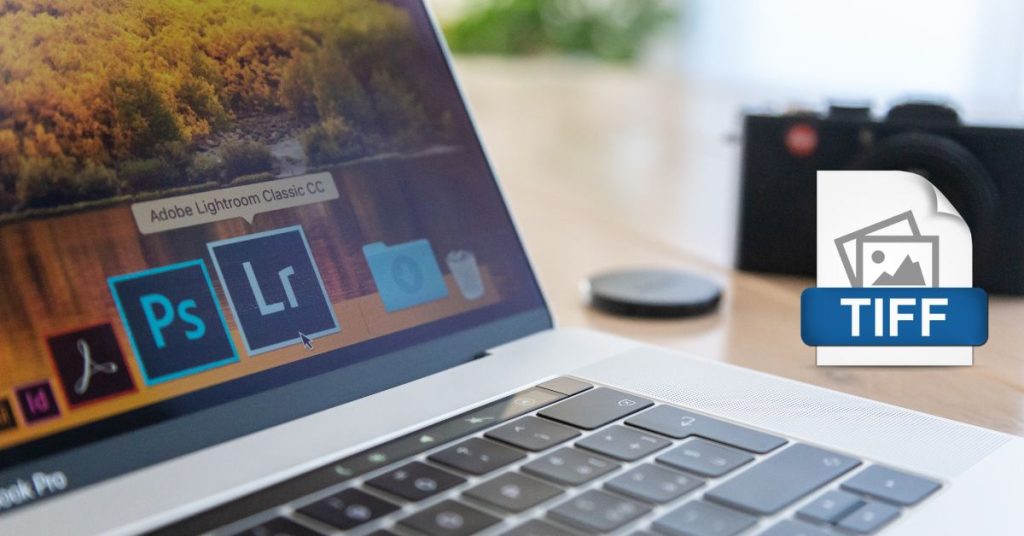
TIFF means Tagged Image File Format. It is an image file with high image quality and is widely used in the field of photography, scanning, printing, publication, and conversion of documents to image files. TIFF images retain image details to a large extent without compromising the image quality.
TIFF images are considered unique among the compressed image types, as in the case of JPEG image formats. It is possible to store TIFF image data using less or no compression methods. It ensures that the minute details of the image are obtained, there are seamless transitions of color, and details are also in actual colors. TIFF image format has several color combinations, such as RGB, CMYK, grayscale, and black and white. Because of storing large amounts of information, TIFF image types are considered large compared to other image formats.
Raster vs Vector: Understanding the Difference
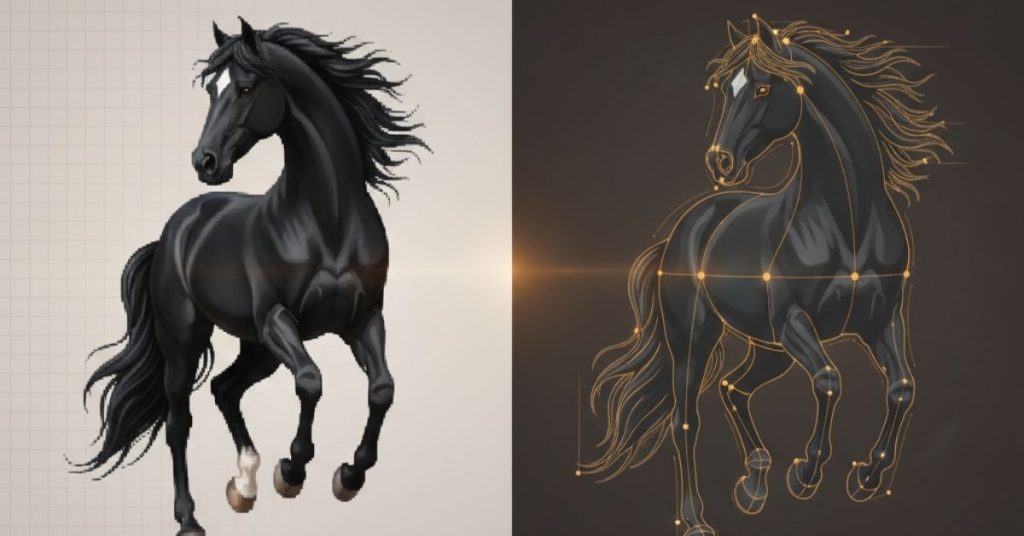
To answer the question Is TIFF a vector format?, we need to know the difference between raster and vector images.
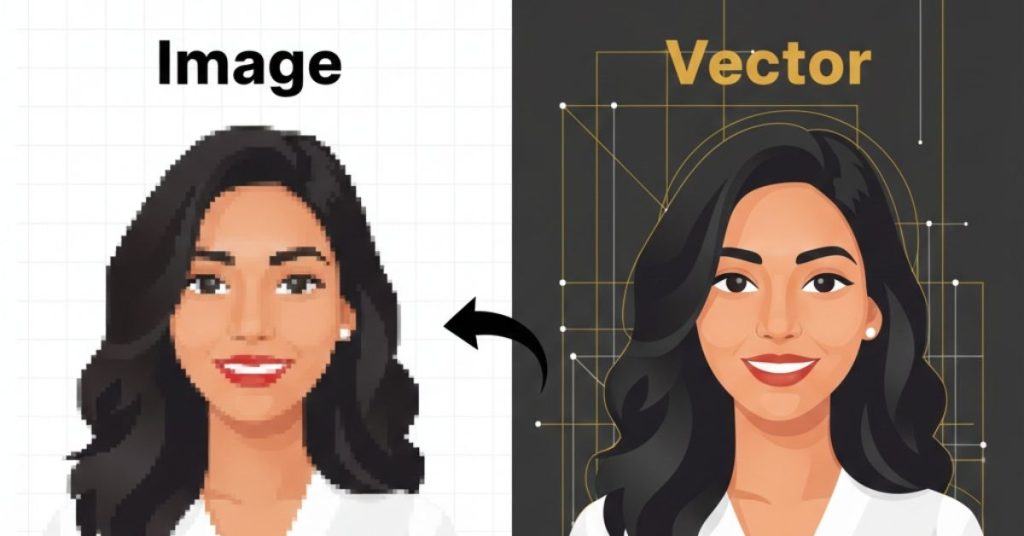
Raster Images
- Made from pixels.
- Resolution-dependent.
- It can lose quality when enlarged.
- Examples: JPG, PNG, BMP, TIFF.
Vector Images
- Created using mathematical paths.
- Infinitely scalable without quality loss.
- Best for logos, icons, and line art.
- Examples: AI, SVG, EPS, PDF.
To elaborate further, is TIFF a vector image? No, TIFF is an image that behaves like a raster image and is not a vector image. Thus, it is not possible to enlarge it to a large size to retain its quality. TIFF is definitely a raster image.
Is a TIFF a Vector File?
The easy answer is no.
A file in TIFF format does not consist of lines and shapes. TIFF refers to one kind of image file that saves pictures using dots called pixels, instead of using lines, which can be scaled up easily. A small amount of vector data, for instance, clipping paths, can actually be stored in a TIFF file, but it is not a means by which TIFF can be considered an actual vector image file.
The solution to the question of whether TIFF is a vector image file in a professional design setup is still NO.
Why TIFF Is Often Mistaken for a Vector Format
TIFF files can be easily confused with vector files, as they are commonly employed in high-quality prints. They have high image quality, support various colors, and can be opened using many software applications.
Although TIFF images have a highly precise nature, they are similar to other images. As soon as you begin to zoom in on the images, they become blurry. This indicates that TIFF images are, therefore, not vector images.
Why Convert JPG to TIFF Format?
Some designers and companies convert JPG to TIFF format while preparing images for printing and use. This ensures that the quality within the image doesn’t degrade, but it doesn’t increase the clarity either.
The picture will be smaller,r and some quality will be lost in using JPEG files. Therefore, it means that quality will be lost with every save that you make. Now you can manipulate the image in JPG format and even add different colors if you want, or convert JPG to TIFF format for viewing to be print-quality.
It should be pointed out that saving your image file from JPG to TIFF does not actually change it to a vector image. The pixels remain, and a higher quality is achieved.
When Should You Use TIFF Instead of Vector?
TIFF is an excellent file type when you require detailed information with quality texture and color, even with larger file sizes. Below are some common scenarios when it is used:
- Professional photo printing.
- Scanned artwork or documents.
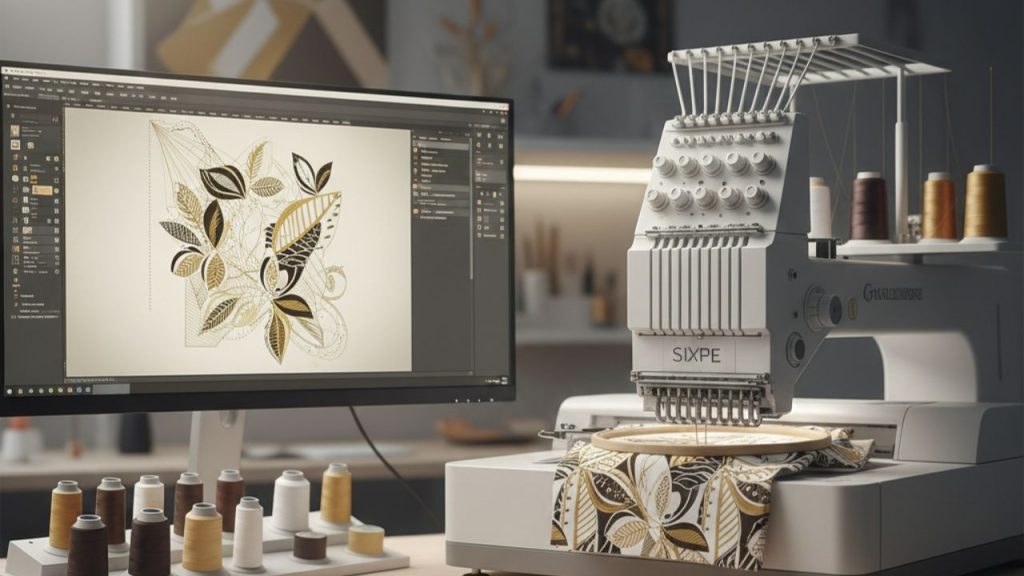
- Embroidery digitizing preparation.
- Archival image storage.
- Pre-press production.
Vectors are more appropriate in logo, icon, and design jobs as they can be enlarged and reduced in size, unlike rasters.
Conclusion
TIFF files are not vector files; TIFFs are quality picture meetings conducted to maintain the qualities of the image. TIFF files print and scan easily and are also suitable for image editing, but they are not the best when it comes to scalability because vector files would be more appropriate in this respect. While the process of changing the image from JPG to TIFF format can prove to be quite helpful in the process of image management and maintaining the quality of the image, it doesn’t generate a vector image format.
Impact Digitizing ensures your TIFF and raster files are expertly handled, optimized, and ready for high-quality embroidery or printing.
FAQs
1. Is TIFF a vector file?
No, and the reason is that it is not like vector graphics, but it has pixels and is hard to resize.
2. Does TIFF support vectors?
There are a limited number of clipping path types, and TIFF is not actually a vector format.
3. How to turn a TIFF into a vector?
Programs for raster graphics; TIFF image files remain raster graphics.
4. Is TIFF better quality than JPEG?
Yes, because TIFF uses little to no data compression.
5. What type of format is TIFF?
The image file format that can be supported by image processing software is TIFF.