Deciding on how to embellish or decorate clothing, accessories, or branded merchandise is important for aesthetic reasons, but also has implications for durability. The issue about designs that are raised compared to ordinary designs often leads to confusion between embossed vs embroidered techniques. Embroidered designs are much in style, especially if the business is meant to appear of high quality, leaving a long-lasting impression. Both designs enhance the appeal of the items in terms of appearance, while also making them appear more profound; however, they are highly distinct in terms of use, design, and timing.
What is Embossing?
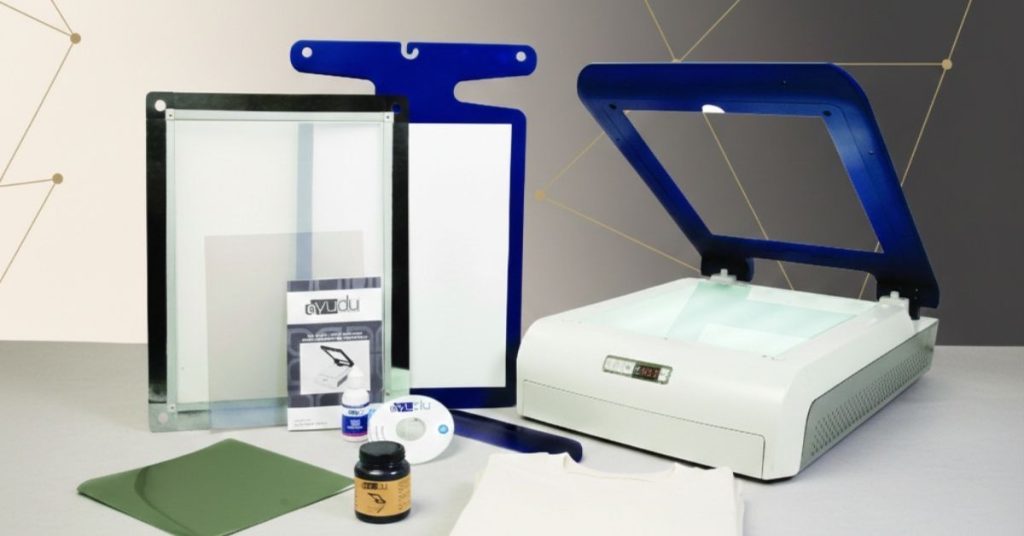
Embossing is a technique in which a design is created with a press-down action, sometimes along with the use of heat, on a surface. In embossing, instead of adding materials like thread to the surface, the design is created right on the material. Leather, heavy fabrics, papers, and other materials that have the ability to retain shape even after pressing are generally used in embossing.
The primary advantage of embossing is the neat, clean, and elegant look. The embossed designs appear clean and elegant to the eye because they do not involve the use of color or stitching. Therefore, the process of embossing is widely used to add an elegant look to the logos of luxury products, leather items, and other products.
What Is Embroidery?
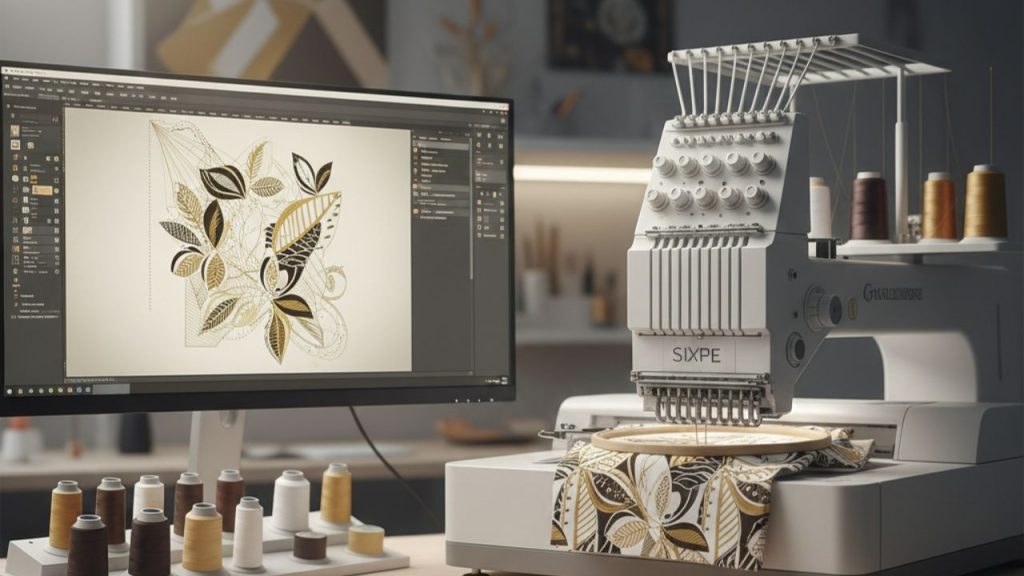
The art of designing graphics and pictures on clothes by interconnecting threads using embroidery is called embroidery. Simple letter-writing and even logos with different colors can be developed using embroidery. Owing to its versatility and endurance qualities, anything and everything can have embroidery applied to it, t-shirts, uniforms, caps, bags, and even more.
Contrary to embossing, embroidery offers an emphatic appearance and the ability to customize it as you consider right by varying the color and proximity of the stitches to achieve the perfect appearance.
As it is strong and able to withstand washing and use, the best digitized embroidery can be used for everyday items.
Embossed vs Embroidered: Key Differences
Looking at Embossed and Embroidered, there are a few points that must be noted for differences when comparing embossed vs embroidered styles:
- Appearance: The appearance of embossing is a soft appearance of similar colors, whereas the appearance of embroidery is textured.
- Detail Level: Embroidery reflects minute details and varied colors, whereas embossing is more related to its form and depth.
- Material Suitability: Embossing is best suited for thick materials because it incorporates nicely into the material. Embroidery can work effectively with various fabrics.
- Brand Impact: Embossing is both very luxurious and simple; embroidery is bold and a statement.
What Is Embossed Embroidery (Embroidery Embossing)?
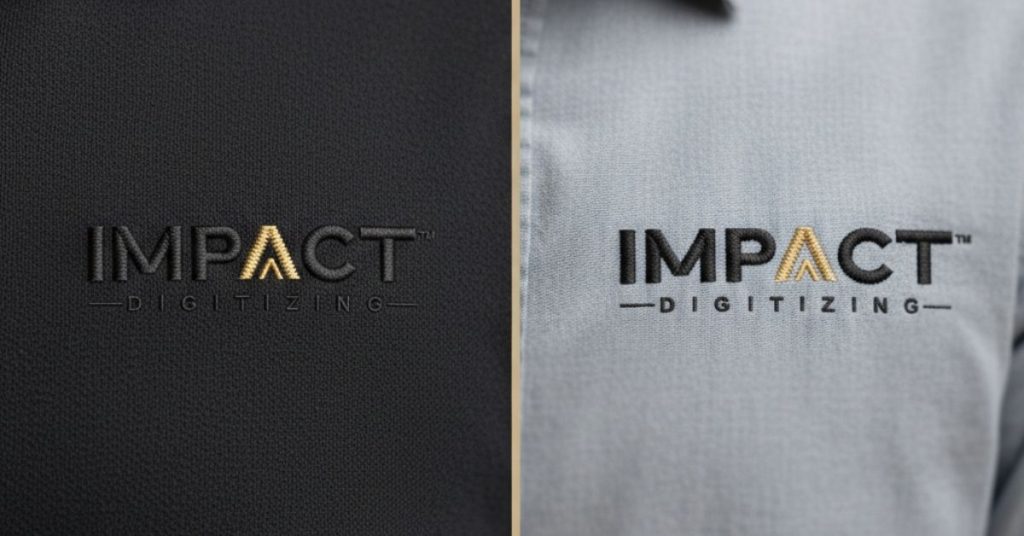
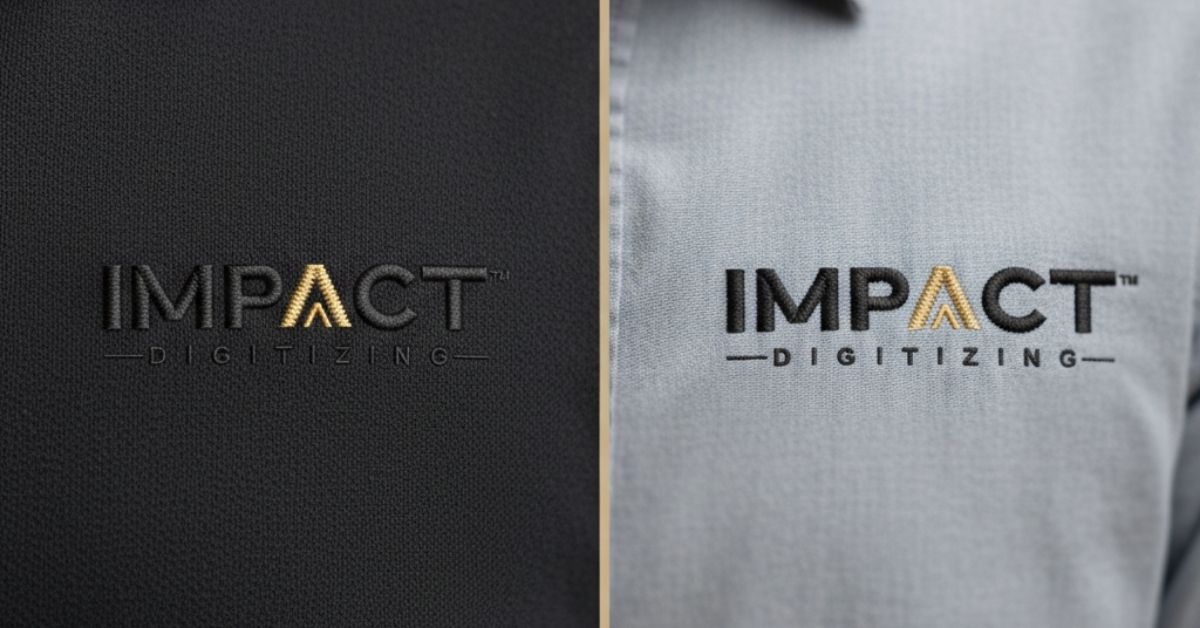
Embossing embroidery, or embroidered embossing, is commonly known as embroidery embossing and offers the best of both. The method makes use of padding, foam, or several layers of stitching at the back of the embroidery to give it a raised appearance and a seemingly 3D appearance. This would be evident in the design, which would have a stitched pattern, such as in embroidery.
Among embroidery styles, embossed embroidery is widely used in logo design because it requires more texture but is still tough. It is due to the magnificent 3D effect that makes it a good fit for caps, jackets, and clothing with distinctive logos, especially when embroidery embossing is applied.
Durability and Maintenance
For those products that are regularly washed and utilized, needlework is generally more durable than embossing. Good threads and careful design ensure that the results are long-lasting. On hard materials, embossing can work quite well and is also quite long-lasting, but it can fade if the material is soft or if rubbing is heavy. Embossed embroidery created through embroidery embossing adds a nice 3D look while keeping the stitched designs strong and long-lasting.
Cost and Production Considerations
Embossing usually needs special tools or shapes made just for it, which can raise the starting costs. It is often more affordable when done in high quantities. Embroidery is less costly to initiate and scales up well in either high or low quantities. Embossed embroidery could require additional processing that is digital-based. It is high quality and increases the value of branded items.
Find the Right Technique for You
Colors that are vivid, intricate, and durable are what you obtain if you are in favor of embroidery. A blend of the two is what makes embossed embroidery interesting. If you want both of these and more, pick embossed embroidery.
At Impact Digitizing, we assist our customers in identifying the most suitable approach depending on the fabric they are working with, the design they wish to achieve, and the intended use of the fabric. This ensures they achieve amazing outcomes every time.
Conclusion
Whether to use embossed designs, embroidered designs, or any other design in combination with the others is dependent on the materials you are working with or the goals of the designs in question, respectively. Embossed designs are smooth with a soft texture, while an embroidered logo is strong with clear designs. Embossing is a good choice for those who prefer simple and elegant graphics that should be extremely tactile.
Impact Digitizing’s attention to detail and commitment to precision make it a trusted partner for high-quality embroidery results.
FAQs
1. What is the difference between embossed and embroidered?
Embossed refers to designs that are raised through pressing. Designs achieved through threading lines together to form colorful designs are considered embroidery.
2. What is the technique of embroidery?
Needling threads together by hand or using a sewing machine is the method of ornamentation of fabrics.
3. Which embossing is trending now?
Simple, matching designs made of leather for logos and high-end branding are becoming popular.
4. What is the smoothest embroidery stitch?
Satin stitch is known as the smoothest embroidery stitch when one wants very neat embroidery.
5. Which embroidery is trending now?
3D puff embroidery and simple logo stitching are popular in today’s branding.